
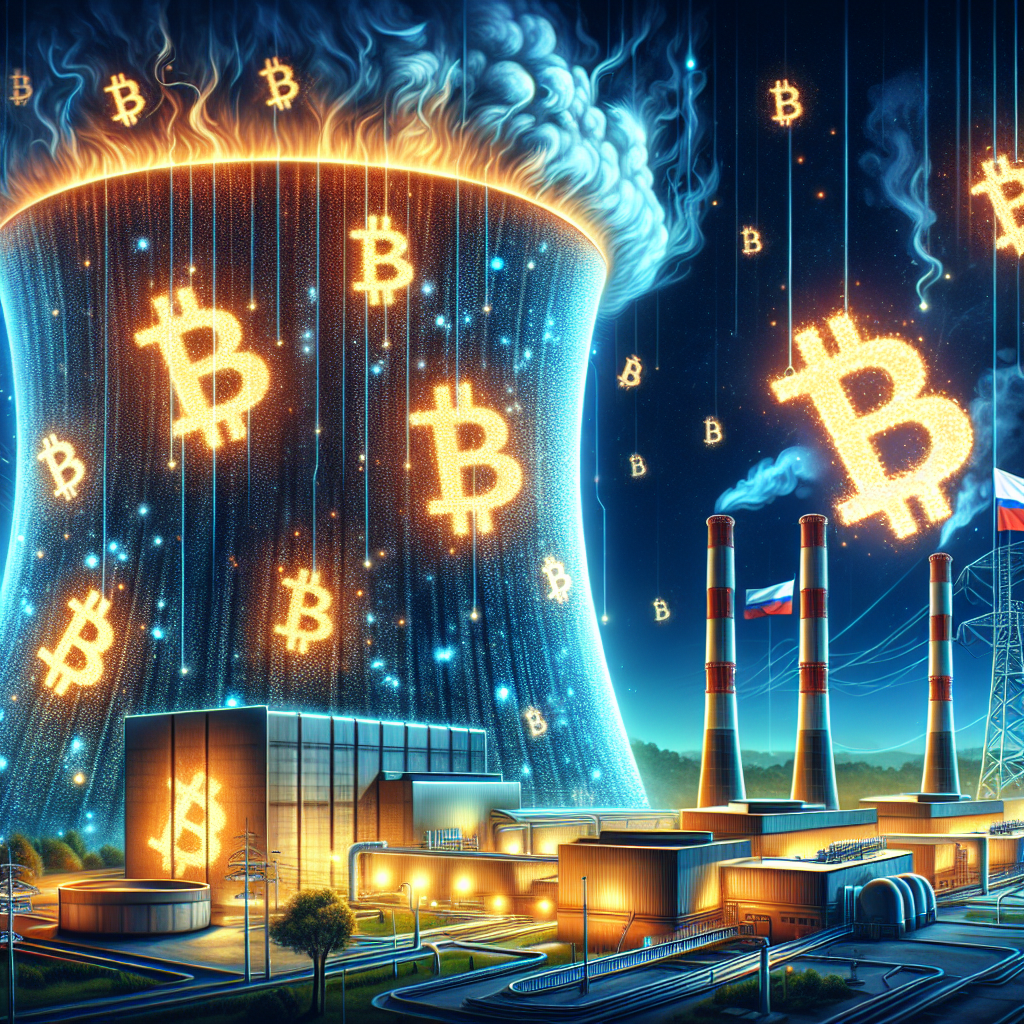
Russia, US Talk Bitcoin Mining at Zaporizhzhia Nuclear Plant
Unlikely Bitcoin Conversations on a Global Stage
In an unexpected development amid ongoing geopolitical tensions, the United States and Russia have reportedly held sideline discussions concerning Bitcoin mining activities centered around Ukraine’s Zaporizhzhia Nuclear Power Plant. This revelation, surfacing during international diplomatic exchanges, sheds light on a lesser-known facet of the Russia-Ukraine conflict: the strategic exploitation of energy infrastructure for cryptocurrency mining.
While much of the world’s focus remains on the military, political, and humanitarian impacts of Russia’s invasion of Ukraine, new evidence suggests that both Russia and the U.S. are paying close attention to the intersection of energy and blockchain technology. Specifically, talks have touched on the possible use of the Russian-controlled Zaporizhzhia facility to power energy-intensive Bitcoin mining operations.
Bitcoin Mining and Geopolitical Strategy
For the uninitiated, Bitcoin mining is the process of validating and recording new transactions on the blockchain through computational power. This process requires significant electricity — a scarce and strategically valuable resource during wartime.
Russia’s control over Zaporizhzhia, Europe’s largest nuclear plant, creates a potent opportunity:
- It provides a vast, stable energy source ideal for Bitcoin mining.
- Generates potential revenue streams amid Western sanctions.
- Strengthens Russia’s grip on decentralized financial tools that are harder to monitor or block.
🧠 Do you want a structured way to evaluate Bitcoin news with clarity and confidence—so you never feel overwhelmed by headlines again? This free, no-fluff guide gives you a 5-minute system to cut the noise and think clearly. It’s lean, actionable, and built to help you identify what matters—so you can stop second-guessing the headlines and start making smarter moves. 👉 Get the guide
The U.S. and its allies, meanwhile, are deeply concerned that profits from such operations could fund further war activities or circumvent international sanctions targeting the Russian economy.
Why Zaporizhzhia Nuclear Plant Matters
The Zaporizhzhia Nuclear Power Plant has been under Russian occupation since early in the invasion of Ukraine. Its importance extends far beyond industrial utility:
- It supplies over 20% of Ukraine’s electricity in peacetime.
- It’s one of the largest nuclear energy facilities in the world in terms of output.
- Its occupation has raised ongoing fears about potential nuclear disasters or misuse.
Recent satellite imagery and insider intelligence have suggested unusual energy usage patterns at the plant, leading analysts to speculate that blockchain mining rigs might already be operating on-site.
Bitcoin Mining in Conflict Zones
It’s not new for Bitcoin mining to become entangled with politics. Cryptocurrency, due to its decentralized nature, has frequently been perceived as a financial lifeline for regions affected by war or sanctions. However, the integration of Bitcoin mining inside a nuclear energy facility during an active conflict marks a disturbing and unprecedented milestone.
If verified, this move represents a trend toward the weaponization of energy assets for crypto-gain, a concept that combines the financial strength of Bitcoin with physical monopolization of energy sources during war.
The U.S. Perspective
During sideline talks reportedly held between U.S. and Russian representatives at recent diplomatic meetings, the United States expressed significant concern over the following issues:
- The potential misuse of Bitcoin mining profits to fund Russian military operations.
- The environmental implications and nuclear safety risks of placing mining infrastructure in a sensitive power site.
- The broader shift toward using nuclear energy facilities for non-civilian purposes.
Washington’s stance seems twofold — a strategic interest in curbing Russian advances in crypto-mining and a humanitarian and environmental agenda to prevent hazardous activity at a nuclear site.
Russia’s Crypto Calculations
Russia, for its part, has been actively incorporating cryptocurrency into its economic strategy since sanctions tightened in 2022. While the ruble faced increasing devaluation and international trade became limited, Russian officials began turning to blockchain technologies to facilitate domestic and cross-border decentralized commerce.
Bitcoin mining serves as an attractive option for multiple reasons:
- It’s a censorship-resistant way to generate decentralized revenue.
- It requires minimal human input once infrastructure is set up — appealing during wartime.
- It can be established covertly, especially in isolated or militarily controlled areas.
With control of the Zaporizhzhia plant, Russia seemingly identified an opportune location to tap into a massive power supply without burdening its domestic energy grids.
Are Crypto Sanctions Effective?
The emergence of this mining project has opened a new debate: just how effective are Western sanctions if major state actors turn to crypto ecosystems? The decentralized structure of Bitcoin inherently resists control by central financial authorities, making it extremely difficult for even coordinated global sanctions to track or block usage effectively.
Yet, increased transparency and mainstream adoption of blockchain analytics tools — like Chainalysis — have slightly improved traceability, though state-sponsored mining from occupied facilities remains a challenge.
Global Response from the Crypto Community
Reactions within the cryptocurrency space are divided. On one hand, blockchain purists see the technology as free from state interference — making it arguably fair game for anyone. On the other, regulators, developers, and mainstream stakeholders are alarmed at the prospect of crypto infrastructure being used to fund conflict and exploit occupied infrastructure.
Three major concerns have been raised by the broader crypto community:
- Legitimacy and public perception of Bitcoin associating with sanctioned regimes.
- Environmental risks of establishing mining centers at sensitive energy locations.
- Lawlessness and governance issues over illicit mining operations’ revenue allocations.
These developments have prompted calls for increased international collaboration on regulating crypto mining in conflict zones, asking major mining pool operators and exchanges to reject transactions from identified illicit sources.
Energy, Technology, and the New Frontier of Warfare
The Zaporizhzhia incident underscores a shifting paradigm: energy and technology are the new battlegrounds of modern conflict. From cyber warfare to resource hijacking, nations are quickly adapting to harness the power of decentralized infrastructure — both as a shield and a weapon.
The fact that a nuclear power plant is now part of discussions about crypto operations highlights the rapidly evolving complexity of global energy geopolitics — especially as it collides with innovations in blockchain.
Conclusion: What Comes Next?
As the war in Ukraine enters a prolonged phase and cryptocurrencies continue rising as a viable financial tool globally, the question looms: how far will nations go to leverage cutting-edge technologies in times of war?
The Zaporizhzhia Bitcoin mining saga is a glaring example of:
- The intersection between energy control and blockchain technology.
- Shifting power dynamics in the age of decentralized finance.
- The need for new global governance frameworks around crypto ethics in warzones.
This situation serves as a critical wake-up call for policymakers, crypto developers, and international watchdogs alike. Monitoring and potentially regulating such high-stakes crypto operations must become part of a comprehensive strategic agenda moving forward.