
“`html
Understanding the Current State of Bitcoin Mining Profitability
The world of cryptocurrency is known for its volatility, with prices soaring and plummeting at breakneck speeds. At the heart of this digital ecosystem is Bitcoin, the pioneering cryptocurrency that has captured the imagination of investors and technologists alike. However, with recent market downturns, Bitcoin mining is facing some significant profitability challenges. Let’s delve into the reasons behind this development and explore its broader implications.
Factors Contributing to Bitcoin Mining Profitability Challenges
Bitcoin mining, once a highly lucrative endeavor, is becoming increasingly untenable for many participants. Several factors are contributing to this shift, and understanding these elements is crucial for current and potential miners.
The Plummeting Price of Bitcoin
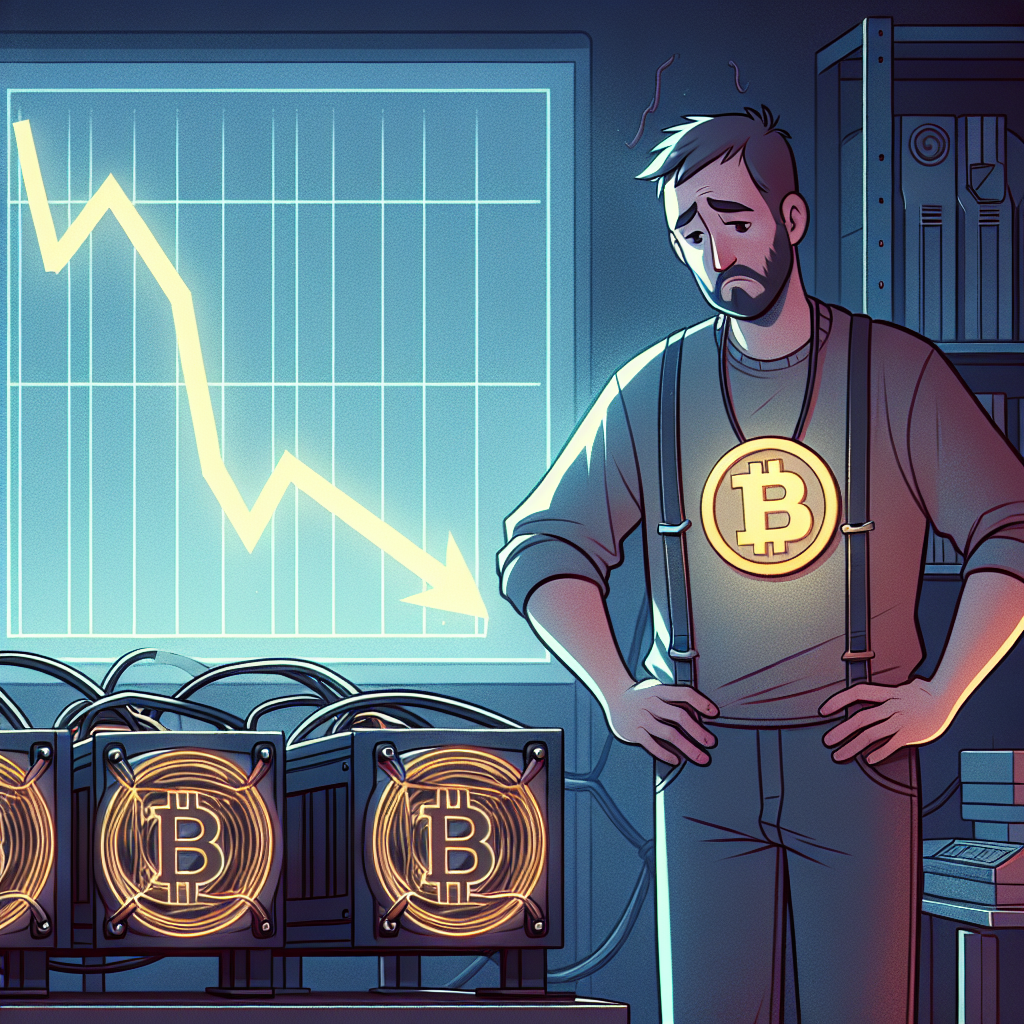
The most immediate factor affecting mining profitability is the sharp decline in Bitcoin’s market price. As Bitcoin value decreases, so does the reward for mining it. Miners receive Bitcoin as a reward for validating transactions and adding them to the blockchain. If the reward’s fiat value falls short of the mining expense, profitability shrinks, or worse, turns negative.
📈 Do you want to stop guessing which Bitcoin headlines matter—and which are just noise? This free, no-fluff guide gives you a 5-minute system to cut the noise and think clearly. It’s lean, actionable, and built to help you identify what matters—so you can stop second-guessing the headlines and start making smarter moves. 👉 Get the guide
Increasing Competition and Hash Rate
Despite the crypto market’s recent downturn, competition in the mining arena remains high. The hash rate, which measures the computational power dedicated to mining Bitcoin, has been on the rise. This indicates that more miners are joining the network or upgrading their equipment to more powerful systems. Increased competition leads to higher difficulty levels in solving the cryptographic puzzles required for mining, thus reducing individual miners’ chances of securing the block reward.
Escalating Energy Costs
Bitcoin mining is an energy-intensive process, requiring substantial amounts of electricity to run powerful mining rigs. With energy costs surging globally, many miners are finding it hard to cover their operational costs, let alone turn a profit. This is particularly pronounced in regions where electricity prices have swelled due to geopolitical or environmental factors.
Regulatory Uncertainty
The shifting landscape of crypto regulations adds another layer of complexity to mining operations. Stricter regulations or outright bans, as seen in some countries, can drive operational costs higher or force miners to shut down entirely. Moreover, regulatory ambiguity creates an atmosphere of uncertainty, making it challenging for miners to plan their strategic moves effectively.
Impact on the Cryptocurrency Ecosystem
The profitability challenges faced by Bitcoin miners can have broader repercussions on the cryptocurrency ecosystem as a whole. Here are some potential effects:
Reduction in Network Security
A decline in mining activity could eventually lead to a reduction in the total hash rate. Since network security relies on sufficient hashing power to deter malicious attacks, a reduced hash rate can make the Bitcoin network more vulnerable to security breaches.
Concentration of Mining Power
The rising costs and other barriers could potentially drive smaller or hobbyist miners out of business, leading to a concentration of mining power in fewer, large-scale operations. This scenario is detrimental to the decentralized ethos of Bitcoin, as it increases the risk of centralization and the potential for collusion among key players.
Innovation and Energy Efficiency
On a positive note, the need to maintain profitability may drive innovation in mining technologies. Companies may invest in more energy-efficient mining equipment or seek renewable energy sources to reduce costs. These advancements can pave the way for sustainable mining practices, which are increasingly crucial in the face of environmental concerns.
Strategies for Navigating the Current Landscape
While the challenges appear daunting, miners can adopt strategies to mitigate risks and improve their chances of maintaining profitability.
Diversifying Portfolios
Miners might diversify their crypto portfolios by tapping into alternative coins that require less computational power and have lower market saturation. While risk remains, diversification can offer more stability in turbulent markets.
Optimizing Operational Efficiency
Cutting costs where feasible can help sustain operations during lean periods. Options include switching to locations with cheaper energy, negotiating better rates with electricity providers, or investing in upgrades that improve mining hardware efficiency.
Exploring Renewable Energy Options
Concerns about rising energy costs make the case for switching to renewable energy sources even more compelling. Solar, wind, or hydroelectric power offer not only an escape from rising energy prices but also potential tax incentives, thereby enhancing long-term sustainability and profitability.
Future Outlook and Considerations
The world of Bitcoin mining is in constant flux, shaped by market forces, technological advancements, and regulatory frameworks. For miners committed to persevering in this ecosystem, adaptability is key. By understanding the multifaceted challenges and proactively seeking innovative solutions, they can navigate the complex terrain and potentially flourish even amid the market’s uncertainties.
To ensure longevity in an ever-evolving market, continuous re-evaluation of business models and strategies will be essential. The profitability of Bitcoin mining may wax and wane, but its core position within the broader cryptocurrency landscape remains indispensable. The path forward may not always be straightforward, but those willing to innovate and adapt stand the best chance of success.
“`